


Spiritual Benefits of Visiting Khatu Shyam Ji Temple
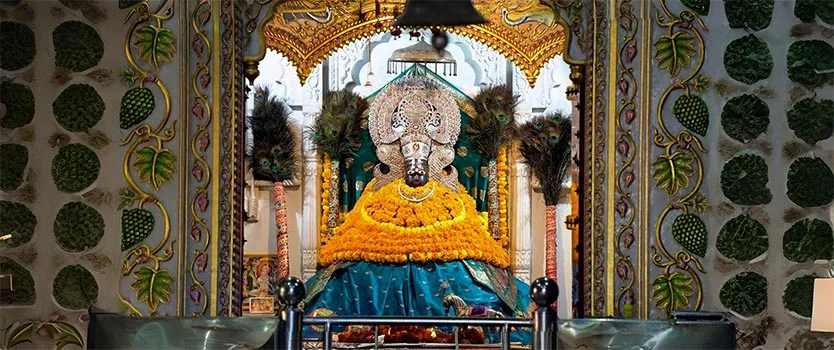
Khatu Shyam Ji, lovingly called Baba Shyam by millions, is one of northern India’s most visited pilgrimage sites. Located in the small town of Khatoo in Sikar district, Rajasthan, the temple is a unique spiritual center where history, myth, and devotion meet. Whether you’re a seeker looking for peace, a devotee hoping for divine intervention, or a curious traveler, a visit to Khatu Shyam Ji can be deeply transformative. Below, I explain the major spiritual benefits, the best times to visit, how Baba Shyam is believed to fulfill wishes, and the most respectful, effective way to perform puja — all grounded in the temple’s traditions and contemporary practice.
Why pilgrims feel spiritually uplifted here
- Connection with selfless devotion (bhakti): The primary legend of Khatu Shyam — that he is the head of Barbarika (the grandson of Bhima) who selflessly offered his head before the Mahabharata war and was blessed by Krishna- frames the temple’s spiritual atmosphere. Devotees often describe an immediate sense of humility and surrender on entering the inner sanctum, because the deity embodies sacrifice, protection of dharma, and selfless devotion. This emotional and moral resonance is a core reason people report inner clarity and emotional release after darshan.
- A concentrated field of collective faith: Spiritual benefits often compound where many sincere hearts gather. Khatu Shyam’s Phalgun Mela and other festivals draw huge crowds, creating a high-intensity devotional field — bhajans, collective aartis, communal prasad, which amplifies feelings of peace, belonging, and spiritual uplift. Many pilgrims say that the energy of thousands praying together catalyzes personal breakthroughs and sustained hope.
- Rituals that calm mind and heart: Simple acts, offering flowers, lighting a diya, listening to kirtan- are time-tested ways to still the mind. At Khatu Shyam, the daily rhythm of mangala, shringar, bhog, and sandhya aartis provides structure for contemplative attention. Repeating mantras or the deity’s name in such a setting helps devotees shift from anxious thinking into devotional presence, which psychologists and contemplative traditions both acknowledge as healing.
When is the best time to visit?
Timing matters for both logistics and spiritual experience.
- Daily timing (for quieter darshan): The temple opens early morning for mangala aarti and closes after shayan aarti in the night; in winter and summer, the timings differ slightly (early morning opening around 4:30–5:30 AM and evening closing between 9–10 PM depending on season). If you prefer peaceful, reflective darshan, aim for the early morning mangala aarti — the atmosphere is serene and less crowded.
- Festival peak (for intense devotional experience): The Phalgun Mela (February–March) and the annual birth anniversary fair draw massive crowds and powerful devotional energy. Visiting during Phalgun Mela means witnessing the full grandeur of tradition — but prepare for very large crowds and long waits. If you seek community energy and ceremonial richness, this is the time to go; if you prefer intimacy, choose an off-festival day.
- Practical note: The temple occasionally closes for special rituals or maintenance (for example, extended closures have been reported for special tilak/puja rites). Always check current local notices before travel.
How Khatu Shyam Ji is believed to fulfill wishes
Belief in Baba Shyam’s compassionate responsiveness is central to the temple’s fame. Devotees attribute wish-fulfillment to several interlinked practices:
- Sincere surrender over bargaining: The common devotional theme is not transactional asking but humble surrender. Legends emphasise that because Barbarika offered himself selflessly, his blessings favor sincere, humble requests rather than materialistic demands. Devotees who report fulfilled wishes often stress that they approached with changed hearts rather than merely a list of wants.
- Promise & vow (mannat): Many pilgrims make a vow (mannat), e.g., to perform a particular charitable act, offer special sweets, or return for seva and believe that fulfilling the vow after the wish is granted completes the spiritual contract. This reciprocal promise strengthens faith and motivates ethical action.
- Collective prayer and continuous remembrance: Regular recitation of the deity’s name, attending kirtans, and participating in community worship are said to align one’s inner disposition to receive grace. The belief is that persistent devotion reshapes priorities and opens subtle channels for guidance and opportunities, which devotees interpret as wish-fulfillment.
Best way to do puja at Khatu Shyam Ji (respectful, effective steps)
If you want to make your visit spiritually fruitful, follow these time-honored steps:
- Prepare before arrival: Fast lightly or maintain mental reverence; bring simple offerings (flowers, sweets, a clean cloth). Preparation calms the mind and helps transform the visit from sightseeing into sadhana (practice).
- Enter with humility: Clean hands, quiet speech, and a simple inner intention help. If crowds are heavy, focus inward rather than reacting to the external rush.
- Mangala and Shringar aarti participation: Attend at least one aarti (morning or evening). Standing in the aarti’s light, focus on the deity’s eyes/head (the idol’s face) and offer your short prayer with clarity. The rhythmic songs and lamps assist concentrated devotion.
- Offerings and mannat: If making a mannatt, articulate it simply — either mentally or aloud — and if your wish is fulfilled later, return to perform your promised seva or offering as an act of gratitude.
- Service (seva): Volunteering at the temple or donating to the trust is considered highly meritorious — offering time or resources stabilizes devotion into practical compassion.
- Leave with gratitude: Before departing, take a few breaths of reflection and commit to one small, ethical action that aligns with your prayer. This anchors spiritual insights into daily life.
People’s beliefs, testimonies, and the living tradition
Devotees’ stories, from healed relationships to new jobs and emotional relief, form an important part of Khatu Shyam’s living tradition. Scholars and local committees note that the temple combines mythic narrative with strong community organization: the temple trust runs the fairs, prasad distribution, and pilgrim amenities, ensuring this centuries-old devotion continues to be accessible. News coverage of large fairs also underscores the temple’s continued contemporary relevance and the scale of devotion it inspires.
Final reflections- what a visit can give you
A pilgrimage to Khatu Shyam Ji is more than crossing a cultural checklist. It’s an invitation to practice humility, to join a communal field of devotion, and to reorient life toward selfless service — the very virtues the deity represents. Whether your immediate expectation is a specific wish or a quieter heart, many visitors return transformed: calmer, clearer, and committed to small acts of goodness. Plan your visit with practical awareness, arrive with sincere intention, and let the temple’s centuries-old spirit do the inward work.