


The Spiritual Significance of Bindi, Kumkum, and Chandan in Hindu Puja Rituals
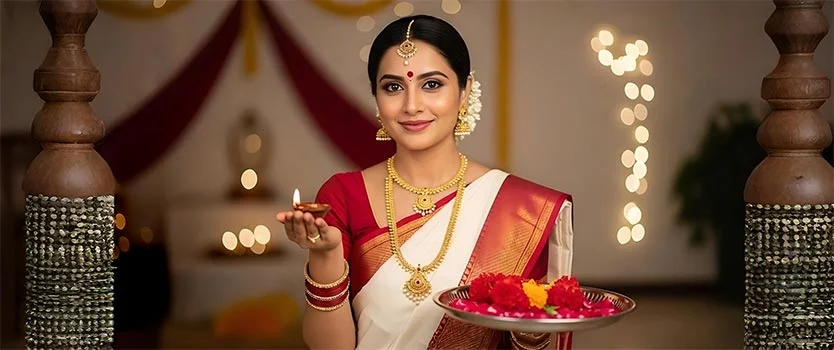
In Hindu culture, rituals are not just symbolic acts but sacred bridges connecting the physical world to the divine. Every color, fragrance, and gesture in a puja carries deep spiritual meaning. Among the most powerful symbols used in daily worship are Bindi, Kumkum, and Chandan—three sacred elements that hold immense traditional and energetic value. The spiritual significance of Bindi Kumkum and Chandan extends far beyond decoration; they represent purity, focus, and divine energy that aligns the mind, body, and soul.
Understanding the Meaning Behind Bindi
The Bindi, a small dot worn on the forehead, is one of the most recognizable spiritual symbols in Hinduism. Traditionally, it is applied at the center of the forehead, between the eyebrows—known as the Ajna Chakra or Third Eye. This spot is believed to be the seat of wisdom, intuition, and spiritual awakening.
In ancient times, both men and women used to apply Bindi during meditation and rituals to enhance concentration. The red color, usually made from Kumkum or Sindoor, symbolizes energy (Shakti), prosperity, and marital bliss. For women, wearing a red Bindi after marriage is considered a mark of commitment, devotion, and respect toward their partners and divine energy.
However, in today’s world, while this become a style statement, its spiritual roots continue to remind us of balance between the inner self and the outer world.
Kumkum: The Sacred Symbol of Energy and Purity
Kumkum, also known as Sindoor or Vermilion, is a bright red powder used in Hindu rituals and worn on the forehead or scalp parting by married women. The deep red color of Kumkum represents Shakti (divine feminine energy) and auspiciousness.
During pujas, devotees apply Kumkum to the deities as a mark of respect, invoking divine blessings. Applying it to oneself signifies the awakening of spiritual consciousness and protection from negative energies. The red pigment is believed to increase the body’s energy levels and strengthen one’s aura.
When devotees visit temples, priests often apply Kumkum on their foreheads as a symbol of blessing. This act represents the connection between the devotee’s consciousness and divine power, reminding them to carry the energy of devotion and positivity throughout the day.
Chandan: The Fragrance of Calmness and Devotion
If Kumkum represents energy, Chandan (Sandalwood paste) embodies peace. Chandan holds a unique place in Hinduism due to its cooling properties and calming fragrance. It is used to anoint idols, temple walls, and devotees’ foreheads during rituals.
Spiritually, Chandan symbolizes purity, serenity, and devotion. When applied to the forehead, it cools the mind and helps in achieving mental clarity during prayers and meditation. Many priests and spiritual seekers apply Chandan before chanting mantras, as it is believed to enhance focus and bring divine vibrations into the atmosphere.
In Vedic texts, Chandan is described as a spiritual purifier—its scent purifies the surroundings and its touch purifies the soul. The act of applying Chandan represents surrender to divine consciousness and a desire to keep the mind steady and clean from worldly distractions.
also read: How Puja Helps in Career Growth and Job Opportunities
The Combined Power of Bindi, Kumkum, and Chandan in Puja
While each of these elements—Bindi, Kumkum, and Chandan—holds its own sacred meaning, together they represent a balance of energies essential in spiritual life.
- Bindi signifies focus and awareness.
- Kumkum stands for strength and devotion.
- Chandan embodies peace and purity.
When used during pujas, they create a spiritual harmony that aligns human consciousness with divine vibrations. Devotees often start their worship by applying Chandan as a base, followed by Kumkum . This practice is believed to invoke divine blessings and strengthen the connection between the devotee and the deity.
These sacred materials also remind us of the three gunas (qualities) described in Hindu philosophy—Sattva (purity), Rajas (energy), and Tamas (stability). Chandan represents Sattva, Kumkum represents Rajas, and balances all three energies, promoting inner harmony.
Modern Relevance of Ancient Rituals
In today’s fast-paced world, many consider such traditions outdated or merely ornamental. However, understanding the spiritual significance of Bindi Kumkum and Chandan allows us to see their timeless value. These are not mere customs but mindful practices that enhance mental peace, emotional stability, and spiritual awareness.
Even in modern households, continuing to use these sacred elements during daily prayers keeps us rooted in our cultural heritage. The aroma of Chandan, the brightness of Kumkum, and the sacred mark of a Bindi remind us that spirituality is not separate from life—it is woven into every small ritual we perform.
Conclusion
The use of Bindi, Kumkum, and Chandan in Hindu puja rituals beautifully represents the unity of mind, body, and soul. These age-old symbols are more than just aesthetic or traditional; they embody deep spiritual truths that connect individuals to the divine. By understanding and honoring their significance, we continue the legacy of our ancestors and nurture a life filled with devotion, peace, and spiritual balance.
So, the next time you apply a Bindi, anoint yourself with Chandan, or use Kumkum in your prayer, remember—you are not just performing a ritual, but invoking energies that align you with the cosmic force of the universe.
Every ritual you perform holds a cosmic message meant just for you. Decode the power of Bindi, Kumkum, and Chandan in your spiritual growth. Take the first step toward divine awareness—chat with astrologer online today.
FAQs
These are sacred substances that represent divine energy, purity, and focus. They help devotees channel spiritual energy and maintain inner calm during worship.
Yes. In ancient times, men—especially priests and yogis—applied these substances during meditation and rituals to enhance concentration and spiritual awareness.
Kumkum is the general term for red vermilion powder used in rituals, while Sindoor is specifically applied by married women along the hair parting as a symbol of marital status and devotion.
No. Chandan is also valued in Ayurveda for its cooling and healing properties. However, in spirituality, it symbolizes calmness and divine purity.
When applied to specific points like the forehead, they activate spiritual centers (chakras), balance emotional energies, and create a peaceful mental state ideal for devotion and meditation.